
Never Miss a Post


7 Daily Habits to Support Hormones at 40
Turning 40 this year has felt different in the best way. I’m focused on feeling good now—steadier, calmer, and more intentional in my body and daily rhythm. And a big part of that has been dialing in daily habits that actually support my hormones instead of working against them.
If you’re in this season too (or heading toward it), I want you to know this: you don’t need a 12-step protocol or a complete life overhaul. Small, consistent habits make the biggest difference—especially when you’re a busy mom, managing a household, and still wanting to feel like yourself.
Here are the daily habits that have helped me feel more balanced, energized, and at home in my body at 40.
1. Prioritize Protein Early (and Often)
I aim for 100–130g of protein a day. No intermittent fasting for me anymore—it stressed my hormones more than it helped. Protein helps stabilize blood sugar, supports muscle (which becomes even more important as we get older), and provides the amino acids your body needs to make and balance hormones. When it’s consistent throughout the day, energy feels steadier and hormone fluctuations tend to feel less dramatic.
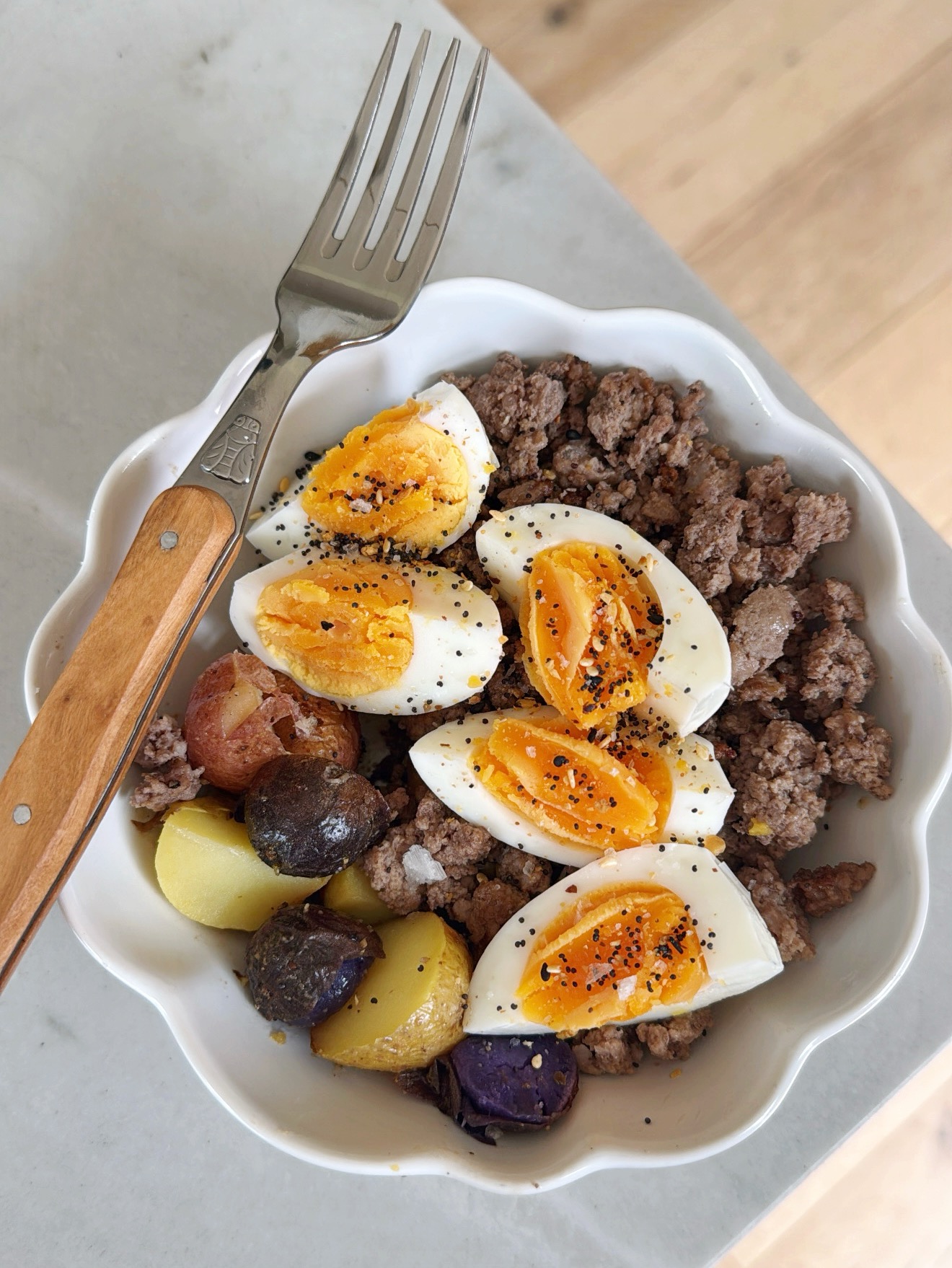
My non-negotiable start is a collagen latte (two scoops of Pure Collagen Peptides) and a protein-focused breakfast. Usually an egg and ground grass-fed beef bowl or my protein oatmeal. Later in the day I’ll make sure I have a solid lunch/dinner with protein – typically more grass-fed beef and/or wild salmon.
One of the biggest shifts for our family has been committing to grass-fed, grass-finished beef. We purchase an entire cow locally, and I use it almost every single day—whether it’s ground beef for easy dinners, steaks, or roasts. The quality of the protein matters. Grass-fed, grass-finished beef is richer in nutrients and healthier fats that support hormone production and overall inflammation balance. Knowing exactly where our meat comes from and having it on hand makes hitting our protein goals so much more doable (and delicious) for the whole family. Here is the place we got ours from: Wilsey Ranch
2. Eat Plenty of Fiber
Fiber has become one of my quiet non-negotiables for hormone support because it helps keep blood sugar steady, supports gut health, and assists the body in binding and eliminating excess estrogen. I focus on getting it from real food throughout the day—flaxseed in my oatmeal and smoothies, cruciferous veggies like broccoli, kale, and Brussels sprouts, berries, beets, and good-quality oats. Nothing extreme, just consistent.
A few easy ways I build fiber into our days with these recipes:
2. Strawberry collagen smoothie
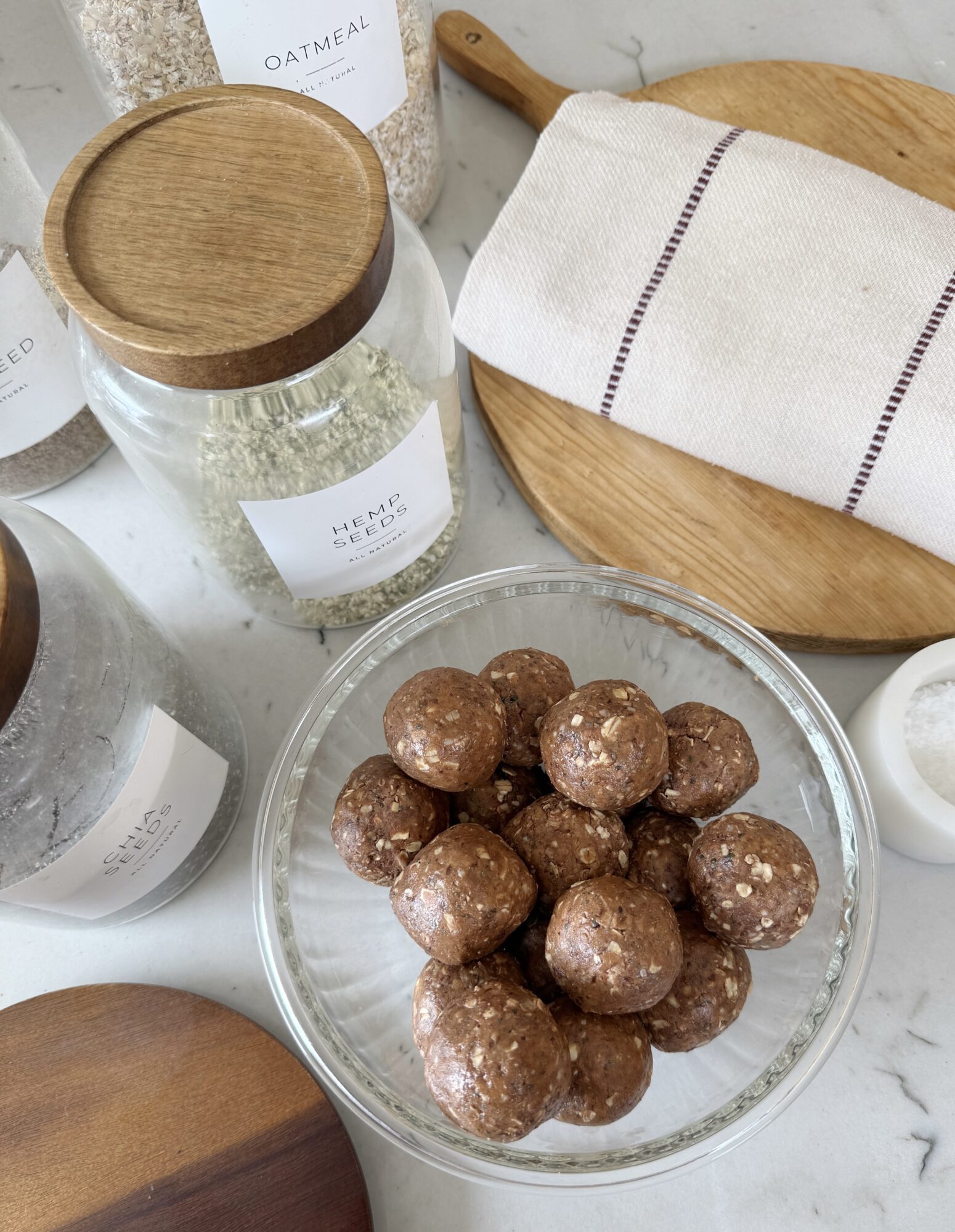
3. Chocolate peanut butter energy balls
I use flaxseed and other seeds in so many recipes because they’re an easy, no-fuss way to boost fiber without changing the flavor much. Little additions like these add up over the week.
3. Make the Raw Carrot Salad a Regular Habit
This simple salad has earned its own spot in my routine. I grate a couple of carrots (keeping the skin on for extra fiber), then toss them with olive oil, a splash of apple cider vinegar, and fresh herbs like dill. I usually eat it between meals, especially during the luteal phase. My detailed recipe here.
Raw carrots (especially with the skin) provide a unique type of fiber that can help bind excess estrogen in the gut so it can be eliminated rather than reabsorbed. This is particularly helpful in the second half of the cycle when estrogen can feel higher for some of us. It’s refreshing, easy to throw together, and feels like a small, supportive act for my hormones—one of those habits that takes almost no effort but makes a real difference over time.
I prep it on Sunday so I can easily have it available for the week.

4. Get Morning Light in Your Eyes (Supports Healthy Cortisol)
Within the first hour of waking, I try to get 10–20 minutes of natural sunlight in my eyes (no sunglasses!). This simple habit has made a noticeable difference in my sleep, energy, and overall circadian rhythm. Pair it with a short walk if you can—bonus points for a weighted vest on those walks.
Morning light helps set your body’s internal clock. It supports a healthy cortisol rise in the morning (the kind that gives you natural energy) and signals your body to produce melatonin later in the evening for better sleep. When your circadian rhythm is more in sync, other hormones tend to follow—energy feels more stable, sleep comes easier, and your overall hormone balance gets quiet support. It’s one of the simplest things I do that pays off in how I feel throughout the day.
5. Protect Your Evenings for Better Sleep
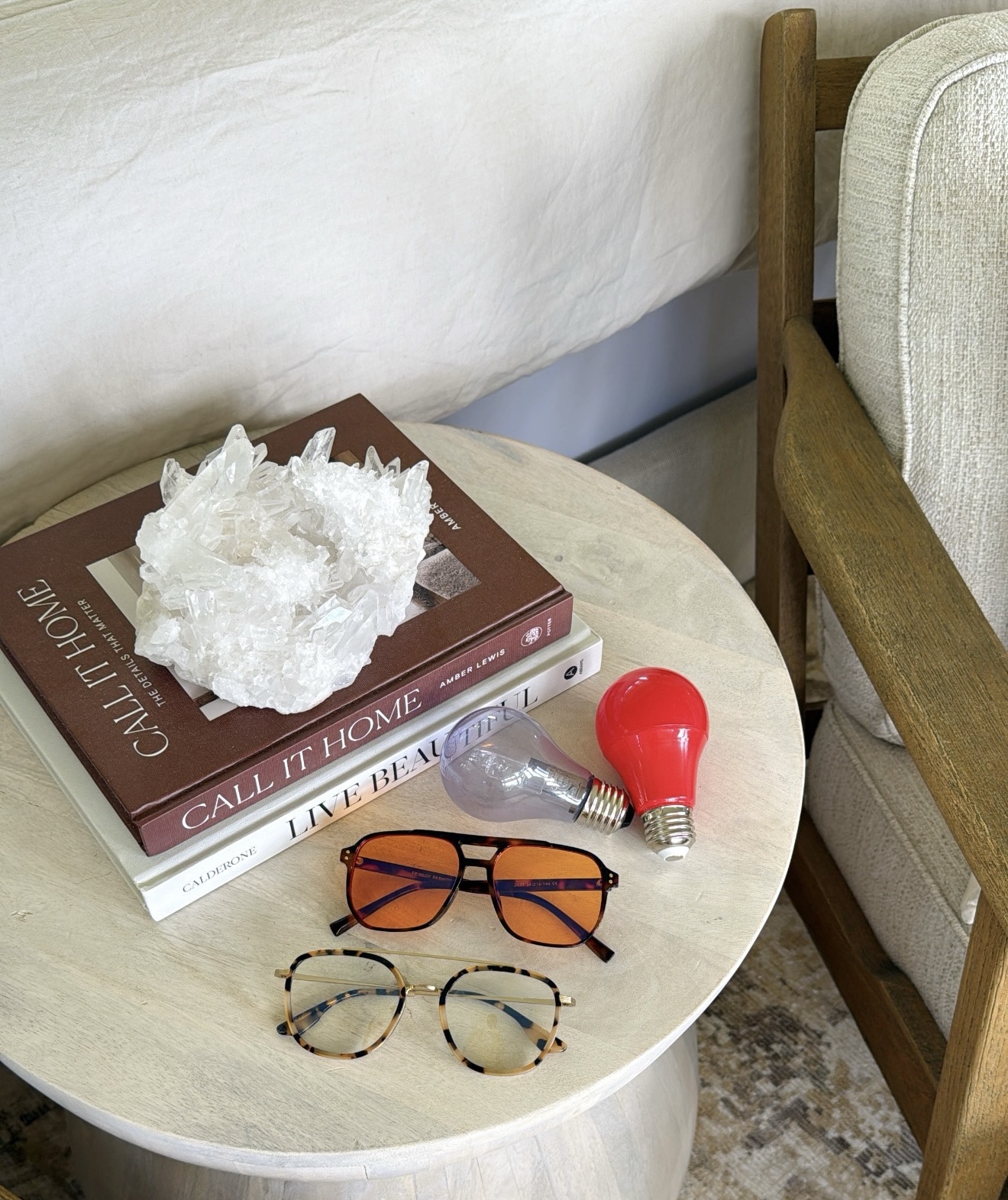
Blue light is sneaky. I’ve gotten stricter with blue-light blocking glasses during the day on screens and amber ones in the evening. We’re also swapping more bulbs to full-spectrum daytime light and warmer/red options at night. A magnesium or Epsom salt bath a few evenings a week helps my nervous system downshift.
Blue light from screens and bright overhead lighting can suppress melatonin and keep cortisol elevated later than it should be, which disrupts sleep and throws off the natural hormone rhythm. Switching to warmer lighting and wearing blue-light blocking glasses in the evening helps signal to your body that it’s time to wind down, while magnesium supports relaxation and deeper sleep. Better sleep equals better hormone regulation—it’s one of the highest-leverage habits I’ve added.
6. Move in Ways That Feel Supportive, Not Stressful
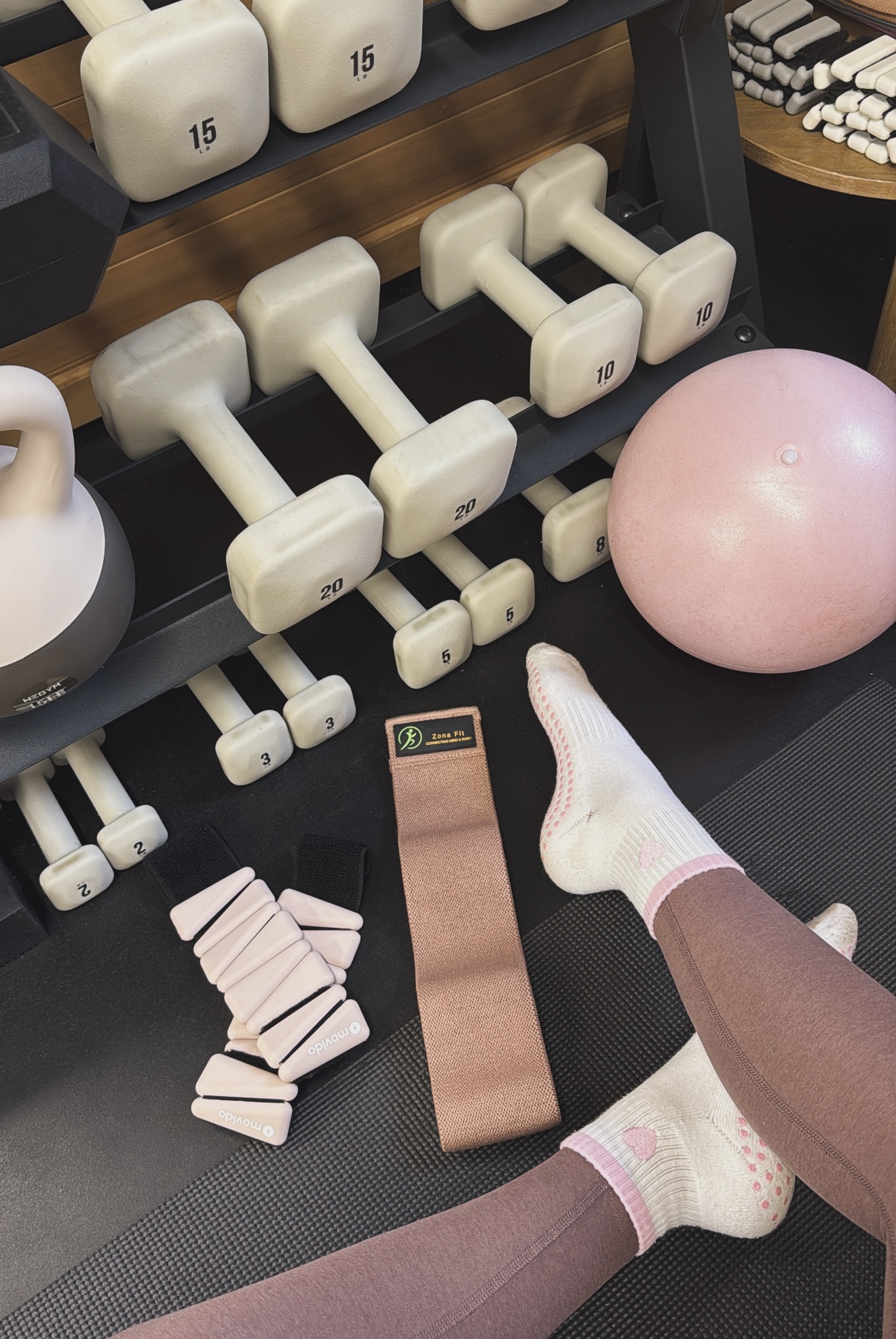
I love strength work and weighted walks. The goal isn’t to crush myself—it’s to build resilience and support my body without spiking cortisol. Strength training helps maintain muscle and supports healthy insulin sensitivity and hormone balance as we age, while weighted walks give the benefits of movement and bone support without the high stress of intense cardio.
The key is choosing movement that builds you up rather than depletes you. Chronic high cortisol from overtraining can work against the very hormone balance we’re trying to support. Listen to your body—some days it’s a solid workout; other days it’s just moving with the boys outside.
7. Support Detox Pathways Gently
I’ve found that gentle, consistent support works better for me than anything extreme. Here’s what that looks like in my real life:
Castor oil liver packs
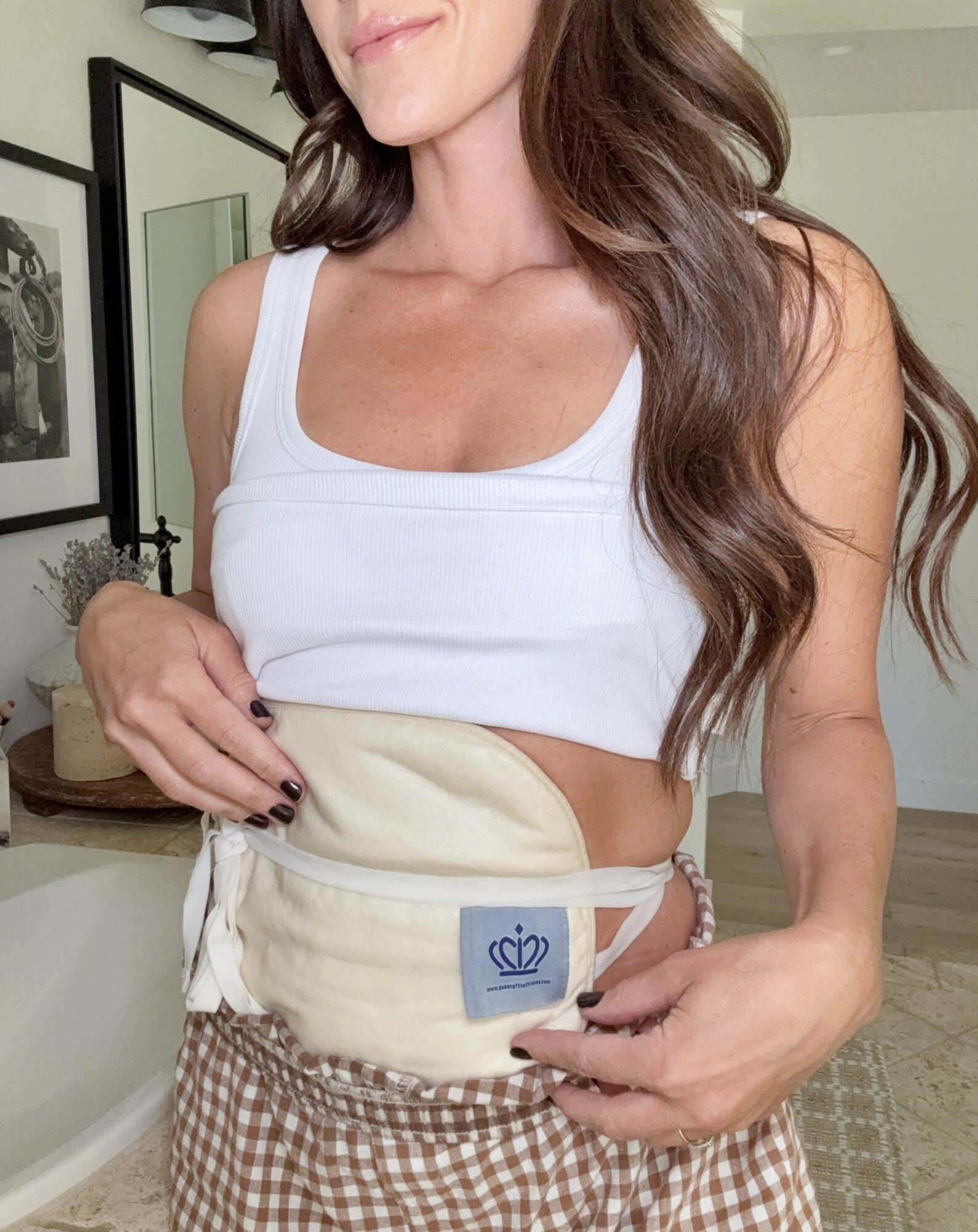
A few times a week I make time for a castor oil liver pack. I simply apply castor oil over my liver area, cover it with a soft cotton wrap, and rest with a warm compress for an hour. (usually after the boys are asleep). Sometimes I even sleep in it! Your liver plays a major role in processing and clearing hormones, so supporting it gently helps the body handle excess estrogen and other byproducts more efficiently. This can make a noticeable difference in how balanced you feel.
Sauna sessions
I try to get in the sauna 2-3 of times a week for 20 min sessions. The heat helps me sweat, relax, and support circulation. Sweating is one of the body’s natural ways to release toxins, and the deep heat can also help lower stress hormones while supporting overall recovery. It feels like a reset for both body and mind.
Vibration plate
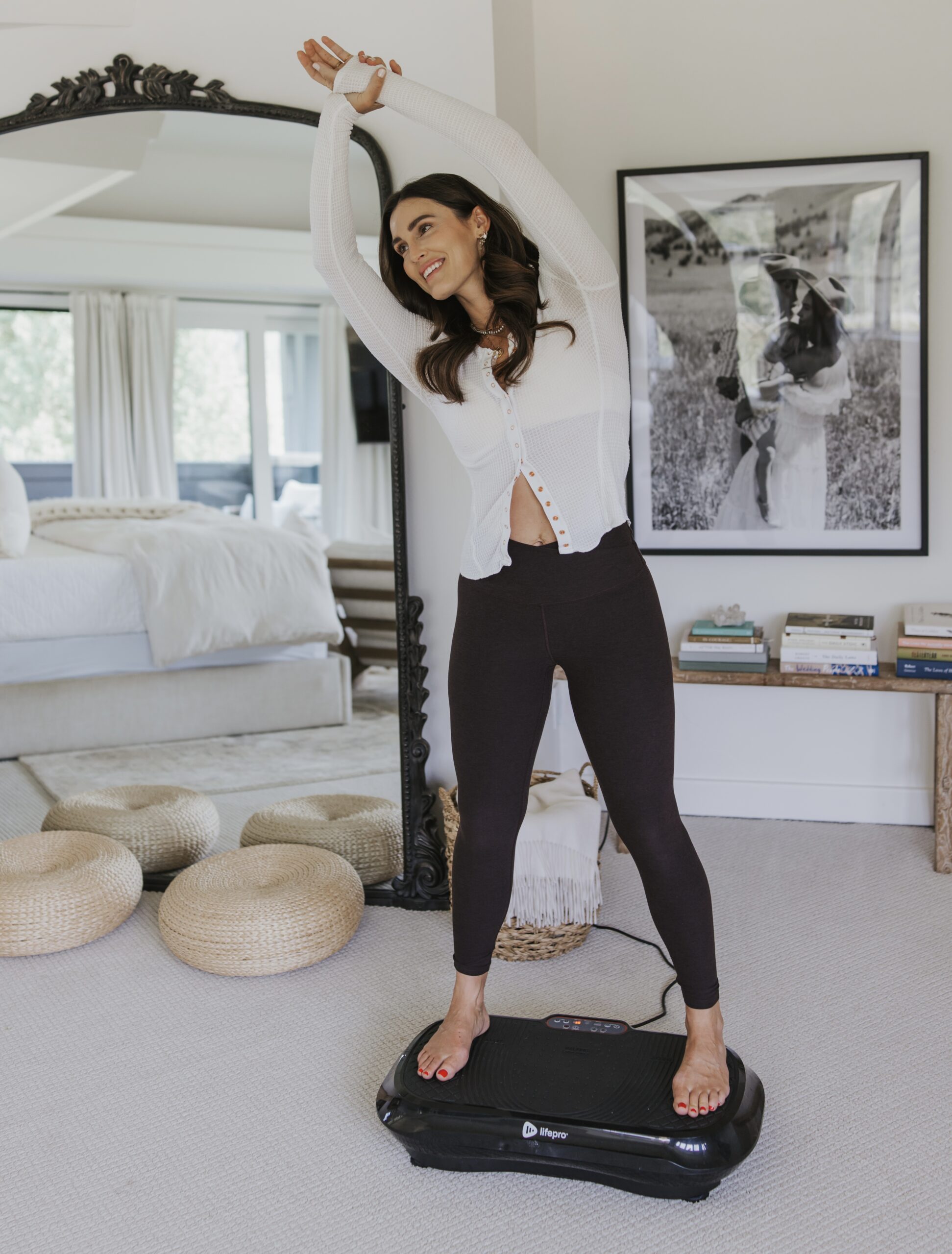
I hop on the vibration plate weekdays, even if it’s just for 10–15 minutes. The gentle oscillations support lymphatic flow and circulation. Since the lymphatic system doesn’t have its own pump the way the heart does, movement like this helps keep things moving so the body can clear waste and inflammatory byproducts more effectively—something that becomes even more helpful for hormone balance in our 40s.
Rebounding
A few minutes on the mini trampoline feels surprisingly good. The up-and-down motion is excellent for lymphatic drainage and gentle cardiovascular support without being high-impact, which makes it an easy way to encourage detox pathways without spiking cortisol.
NASA-linked research from the early 1980s (Bhattacharya et al., published in the Journal of Applied Physiology in 1980) found that jumping on a trampoline created a greater biomechanical stimulus than running at similar heart rate and oxygen use, with work output up to about 68% greater at equivalent oxygen uptake. That study is often summarized as 10 minutes of rebounding rivaling 30 minutes of jogging—which is one reason this short, low-stress bounce has earned a regular spot in my routine.
The Real Talk
Progress over perfection is still my motto. Some days the collagen latte happens and the carrot salad doesn’t. Some weeks the evening routine is solid and others it’s survival mode. That’s okay.
What matters is building a rhythm that feels doable in real life—with kids, a full calendar, and all the beautiful chaos that comes with it.
These habits have helped me feel more steady, clear-headed, and at home in my body at 40. If you’re navigating the same season, start with one or two that feel realistic. Consistency beats intensity every time.
Here’s to feeling good in this season—one supportive habit at a time.
xo,
Kasey
Leave a Reply
Your email address will not be published. Required fields are marked *
COMMENTS